

Home
Ideodyssey
a journey in ideas


Contents
Page
Current
Chapter:
6
Extinct
Scripts


Play
TRACK 8
Previous
Chapter
Next
Chapter

rigins
Writing
of



Intro
What
Is
Writing?
Birthplace
of
Writing
Children
of
Egypt
Cuneiform:
"Neanderthal
Script"
Oracle
Bones
Extinct
Scripts
Invented
Writing
Punctuation
&
Symbols
Number
Systems
Lessons
From
Writing


Click image to enlarge →
Tip: Hover cursor over image to pause slideshow 👆🏻
↑
Click here to pause slideshow


𑁬
Extinct Scripts
Of the roughly 300 writing systems that have existed over the millennia, more than half are now extinct, including most of the ancestors of those used today. Needless to say, I cannot cover them all in this chapter. I will, however, attempt to give a concise overview of some of the most well-known ones.
The Aegean Scripts
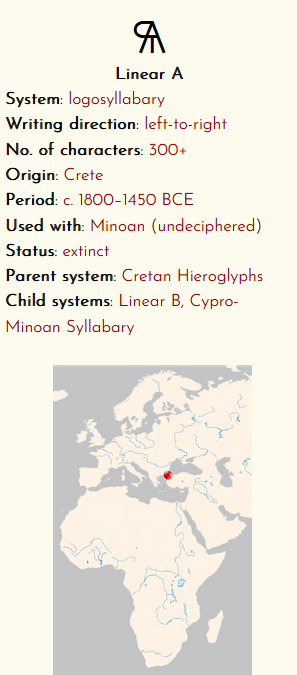
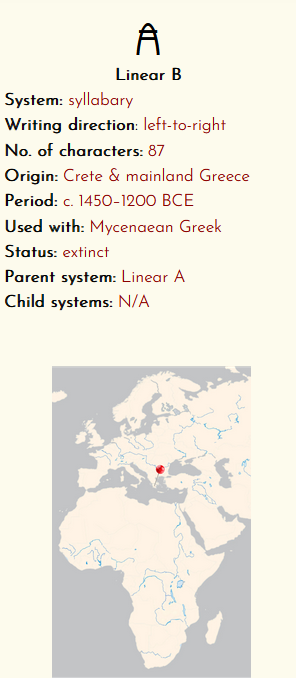
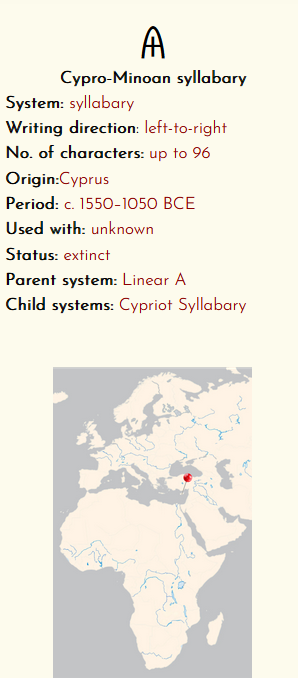
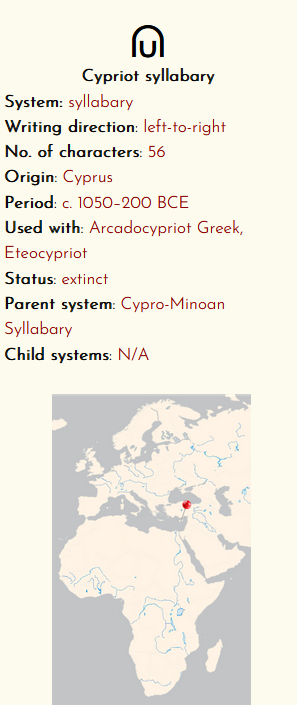
One such well-known example that developed in the Mediterranean in the Bronze Age was Linear A. A logosyllabary like Egyptian, cuneiform and Chinese, it is the oldest confirmed writing system in Europe with over 300 signs and was used to write the still-undeciphered Minoan language of Crete. It most likely evolved out of a set of Cretan hieroglyphs, perhaps influenced by cultural contact with Egypt. Another separate set of undeciphered Cretan symbols were also found on the famous Phaistos Disc in 1908, but it is not yet clear whether they constituted true writing or not. Linear A likely influenced the Cypro-Minoan syllabary and its child system the Cypriot syllabary used on the island of Cyprus. Linear A also likely led to the development of Linear B, a logosyllabic system with 190 characters, adapted to write Mycenaean Greek. Linear A fell out of use around 1450 BCE, coinciding with the rise of Linear B, suggesting Linear A’s decline may have resulted from the Minoan civilisation being overtaken or assimilated by the Mycenaeans. Though use and knowledge of Linear B disappeared during the Bronze Age Collapse (ca. 1200 BCE), it was re-deciphered in the 1950s, revealing a mixed logosyllabic system.¹
Watch: The race to decode Linear B | Susan Lupack - Ted-ed
Click here →
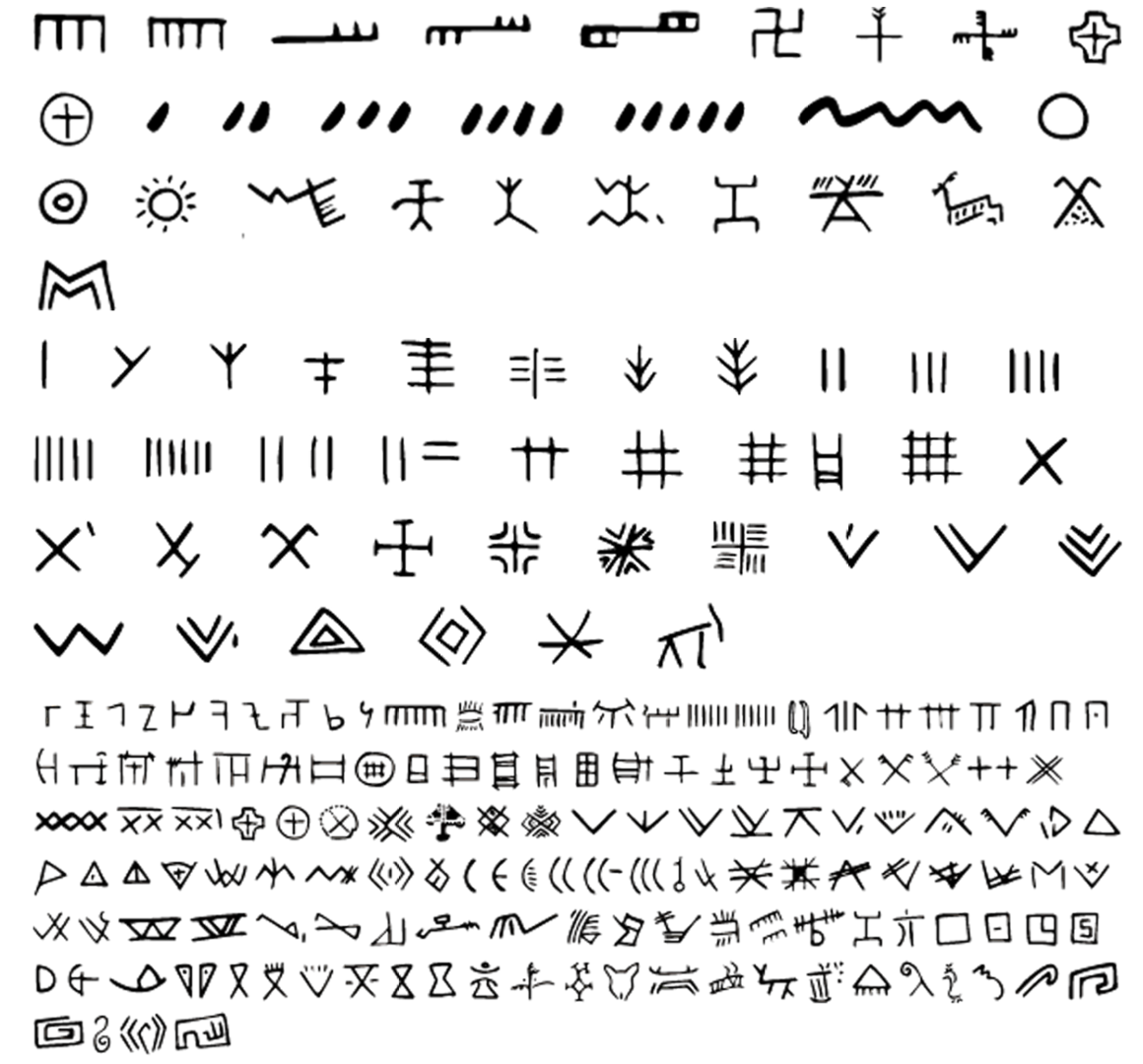
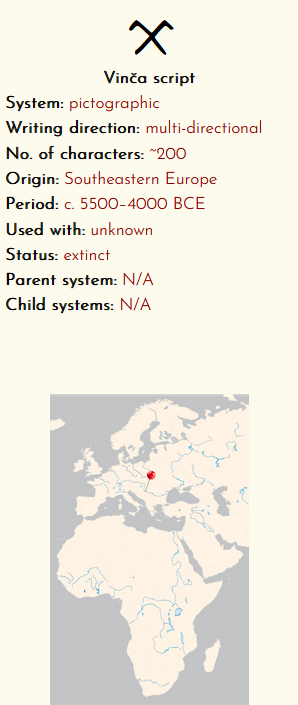
Vinča – the world’s oldest writing system?
There is another script that challenges Linear A for the title of Europe’s oldest script and in fact the title for oldest in the world, and that is the Vinča script. It was used throughout South-Eastern Europe from the 5th or possibly 6th millennium BCE by European neolithic peoples and went out of use by the 4th millennium. However, it is disputed today whether the system constituted a full writing system or simply proto-writing with only limited expression of language.²
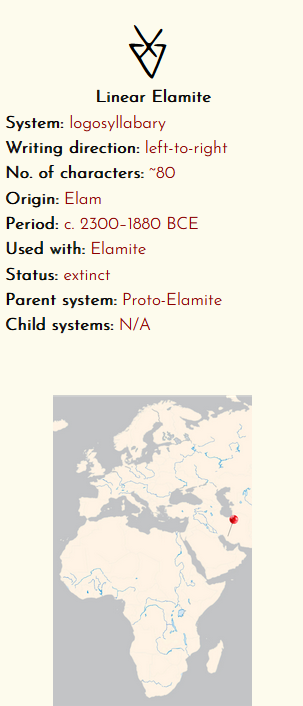
Elam – Mesopotamia’s nemesis
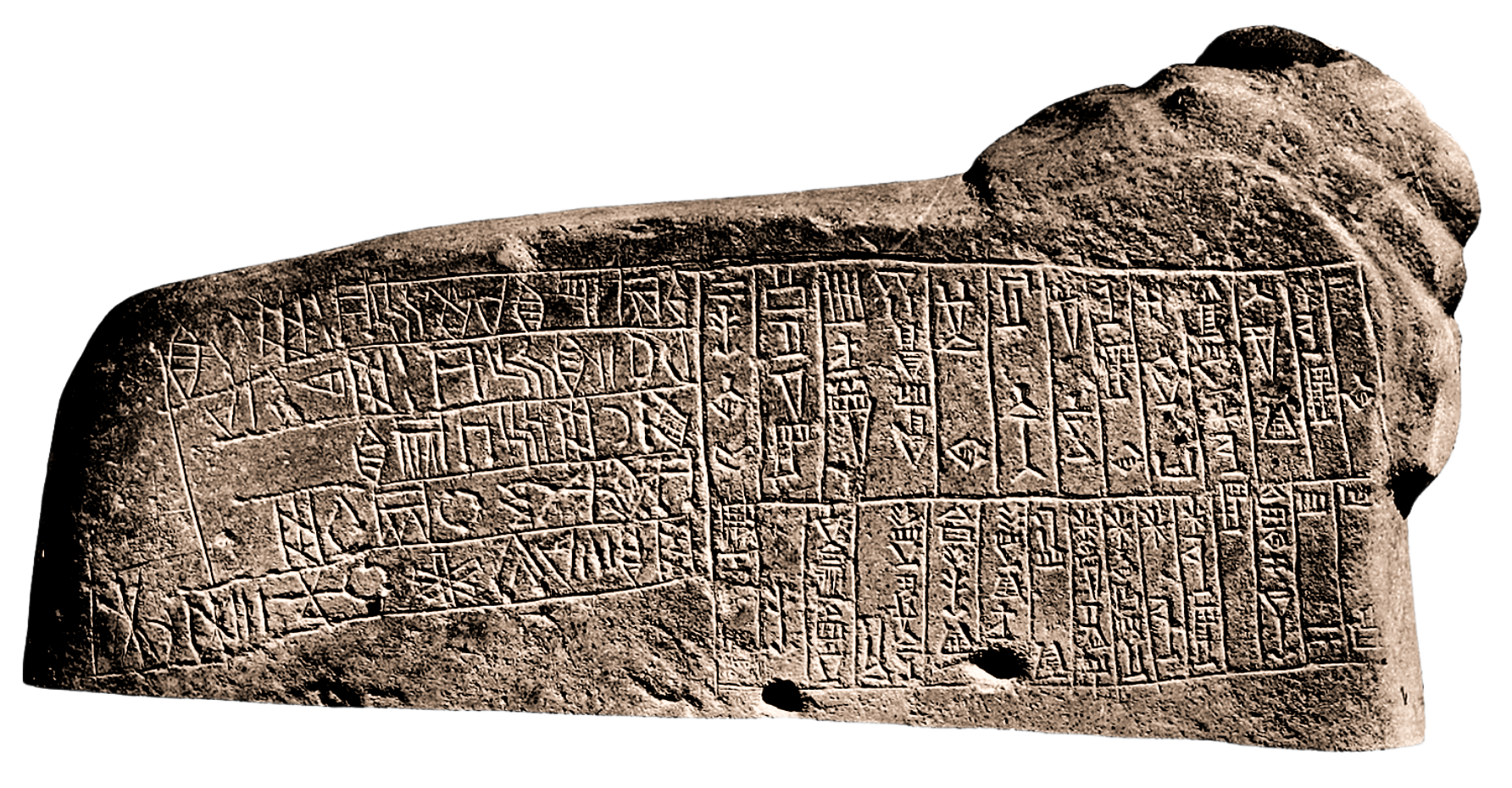
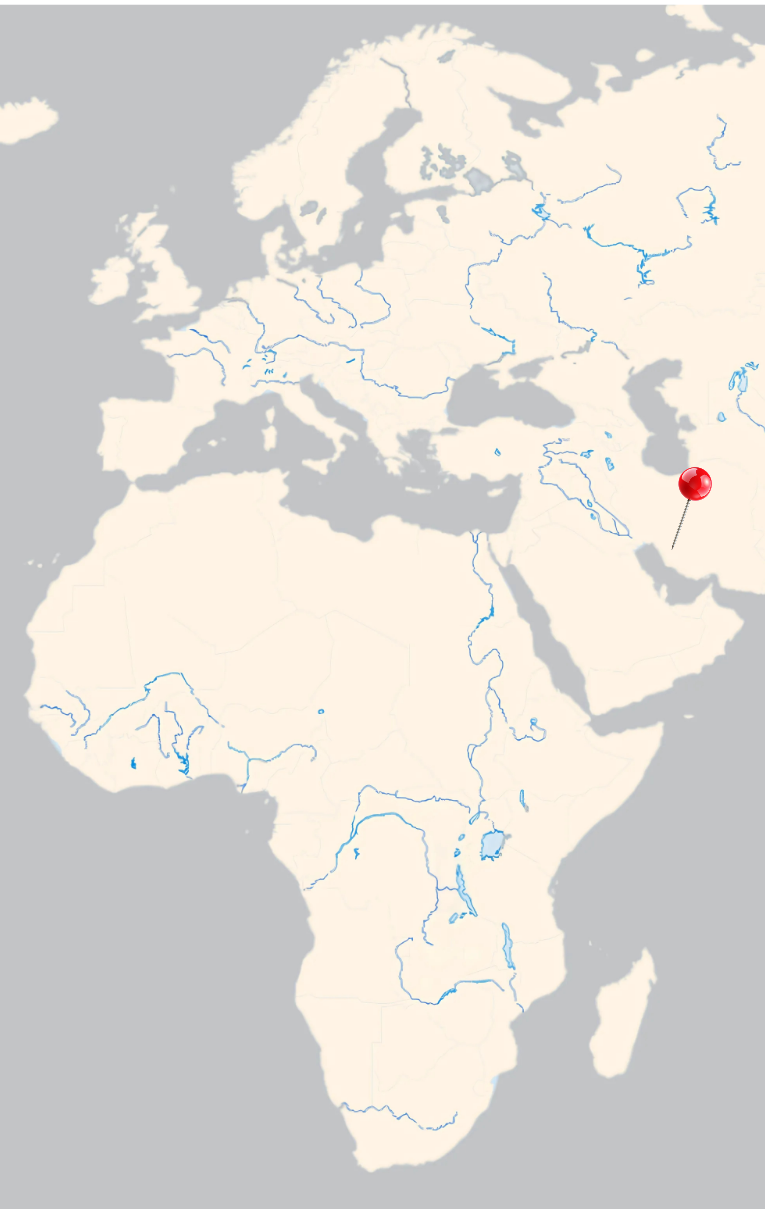
To the east of Sumer, lay Elam, an historical rival to Mesopotamia. Before their adoption of cuneiform, Linear Elamite was their native writing system, used during the late third millennium BCE. Though the script is largely undeciphered, it appears to have been employed for monumental inscriptions and administrative purposes. It is believed to be logosyllabic and distinct from the better-known Elamite cuneiform that succeeded it. Comprising a set of abstract and geometric signs, Linear Elamite represents one of the earliest known attempts at writing in what is modern-day Iran, offering valuable, albeit still mysterious, insight into the political and cultural life of early Elamite society. Recent advances in decipherment have raised hopes of unlocking more of its secrets and deepening our understanding of its civilisation.³
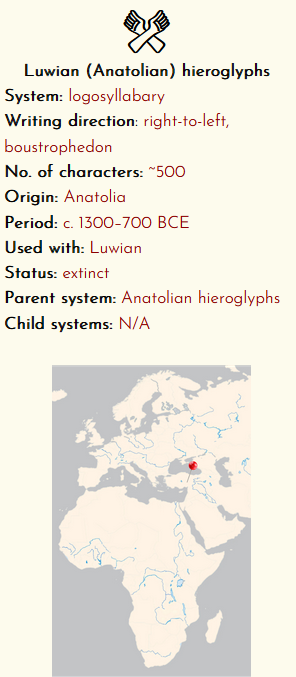
Indo-European hieroglyphs
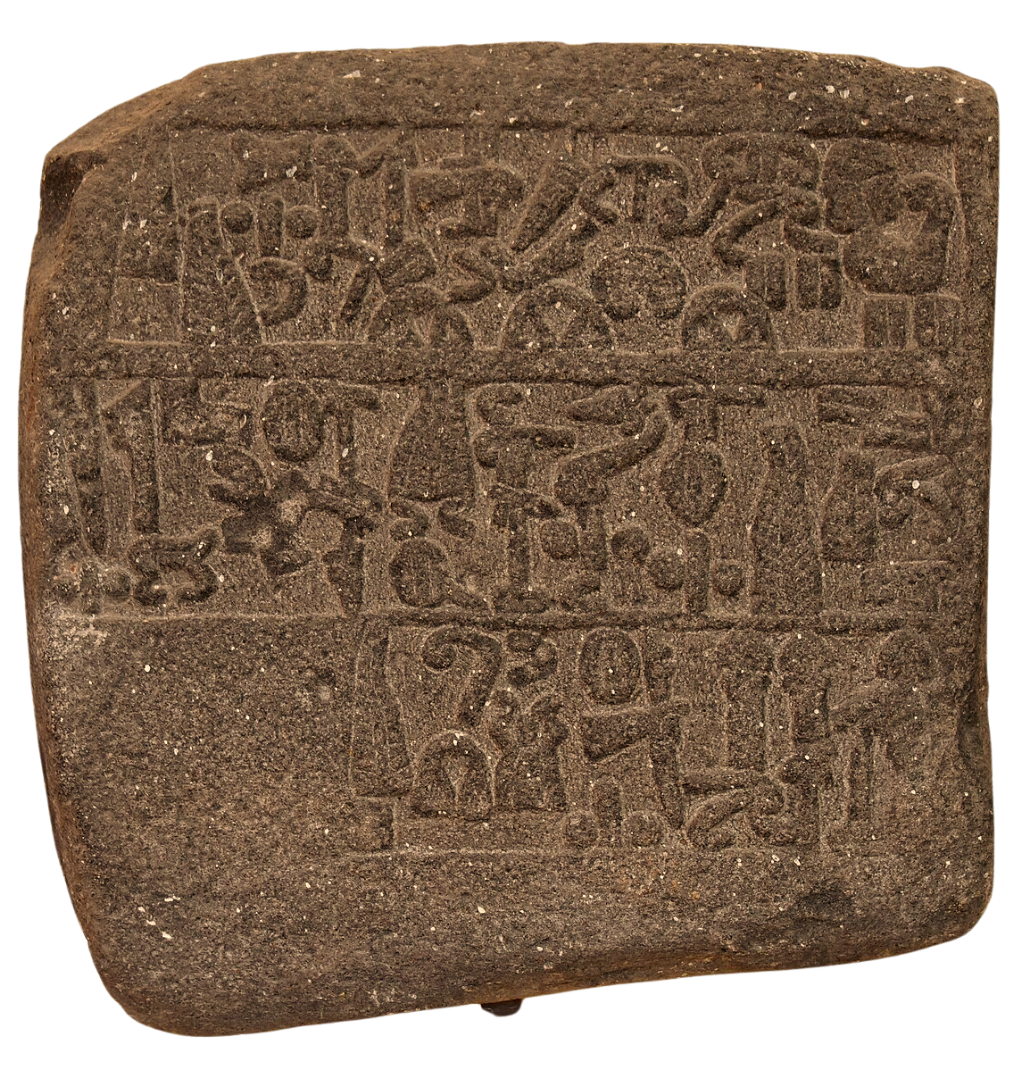
The Egyptians weren’t the only ones to develop hieroglyphs in the Near East. The Indo-European Anatolian peoples also used their own unique set from about the 14th c. BCE. It was used to write the Luwian language – related to Hittite. While Hittite eventually adopted cuneiform as their writing system, some sources suggest that the retention of indigenous hieroglyphs by the Luwians may have been a nationalist statement. It has been hypothesised that Luwian may have been the language spoken by the inhabitants of Troy. However, this remains speculative as the Trojans left no written records. Luwian eventually developed a separate system of cuneiform used in parallel with hieroglyphs for more common purposes. The language became extinct in around 600 BCE along with both their hieroglyphs and cuneiform. Their Luwian hieroglyphs resembled the appearance of Egyptian hieroglyphs, and functioned in almost an identical sense (as a mixed system) other than the direction of writing, which was left-to-right. However, the two are not related. Luwian hieroglyphs were deciphered in 1960, thanks largely to comparisons with Luwian cuneiform.⁴
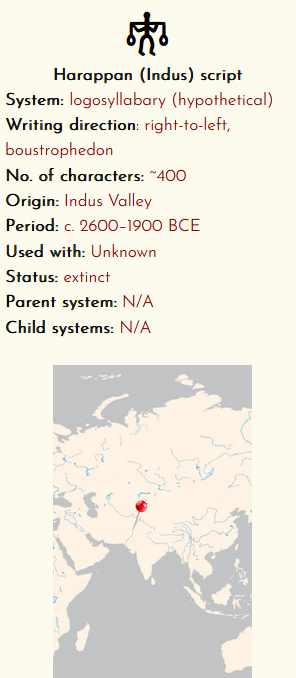
Harappan – an Indian source of writing?
In another cradle of civilisation, the Indus River (in what is today Pakistan) another unique script, the Indus script (or Harrapan) emerged in around 3500 BCE. It comprised of over 400 unique symbols, but scholars question (like with the Vinča script) whether it represented full writing or simply proto-writing. No bilingual text has been discovered for comparative linguistics to utilise and no known living language is related to the Harrapan language which became extinct in around 1300 BCE along with the collapse of its civilisation. Some scholars have speculated that Harrapan may have influenced the development of the Brahmi script, although this has not been proven.⁵


Watch: Why Did the Indus Civilisation Vanish? | BBC Reel
‘New World’ writing
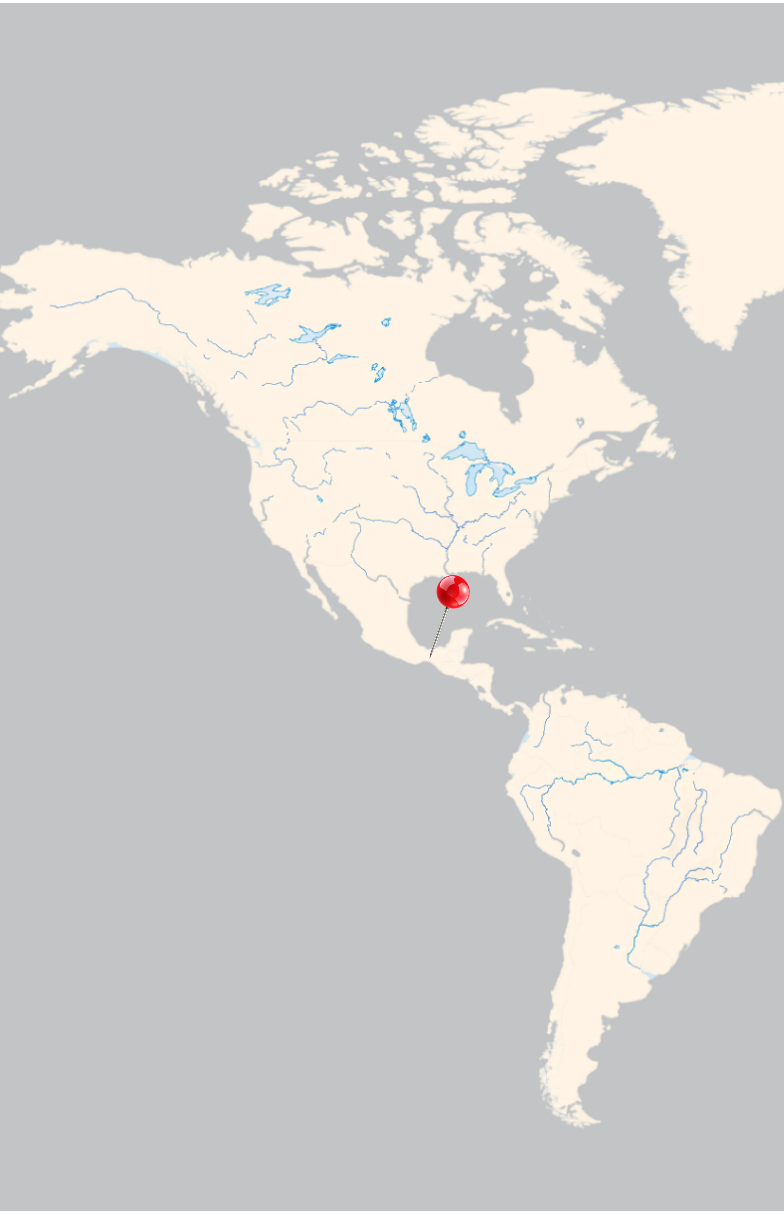
Meanwhile, over in Meso-America, the Mayans developed their own system of pristine writing from about the 3rd century BCE. In fact, they were likely the only people that developed a full-writing system in the ‘New World’. It It was a logosyllabic system consisting of 200-300 glyphs (some logographic and some syllabic). Like in other ancient scripts, the syllabic symbols were developed from logograms through the rebus principle. The glyphs were read top to bottom, left to right in columns of two. Each glyph is made up of a combination of individual symbols read in a specific order, the largest being the main sign and the smaller being affixes (similar to prefixes and suffixes). These affixes sometimes signify a phonetic complement to clarify the pronunciation of a logogram which might have more than one meaning. Symbols could be used to represent syllables or simply a phoneme within a syllable. For example, the glyph could represent /ba/ or simply /b/ at the end of a syllable. Multiple symbols could also often be used for the same syllable (a concept referred to as polyphony). The glyphs were engraved into stone or painted on a form of paper called amate made from the bark of the wild fig tree.⁶


The Mayan system was most likely originally based on a set of glyphs developed by the Olmec culture (often referred to as the “mother culture” of the region). These glyphs may have influenced other scripts such as Isthmian and Aztec (Nahuatl) glyphs, but it’s not agreed on whether these systems constituted full writing like the Mayan script.⁷


Watch: How Maya glyphs Are Written | Dr. Mark Van Stone
See: Chart of Mayan Glyphs
Intent to kill
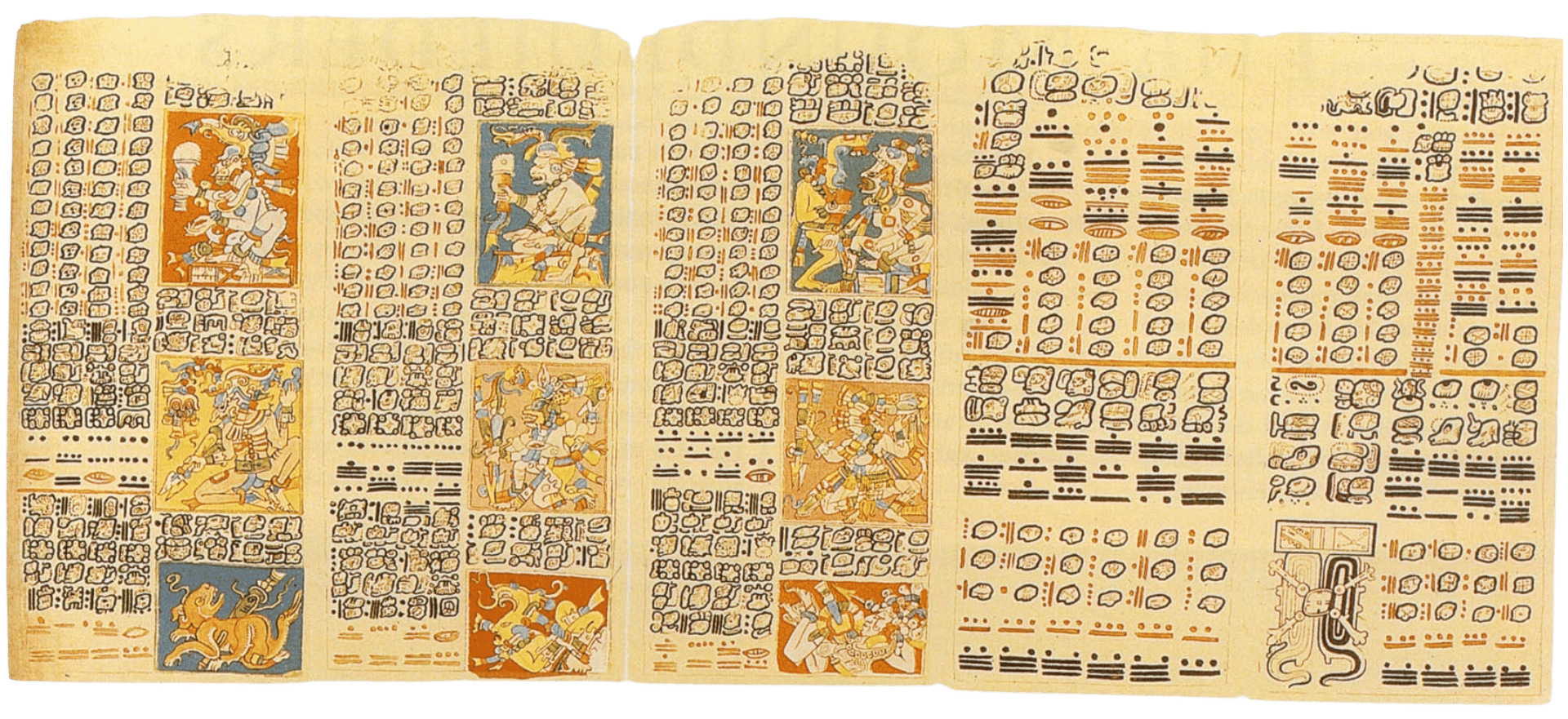
With their writing system, the Mayans recorded events of everyday life, their history, and the succession of powers in great codices. But use of Mayan glyphs and indigenous languages was systematically suppressed by their Spanish colonisers who saw them as idolatrous. The majority of these codices were thus destroyed. Even the making of amate became punishable by death. Thus, knowledge of the writing system was completely lost within a century of the arrival of the Spanish.⁸
Decipherment
Initial efforts to decipher them in the 19th century achieved only minimal success, and it wasn’t until the 20th century that any notable progress was made. The first step was deciphering Mayan numbers. And then, by comparing known dates, royal figures and glyph patterns, researchers identified phonetic components and by comparing words with, currently-spoken Mayan languages, were able to slowly piece together the meaning of the glyphs. Decipherment efforts were also aided by records of the system ironically made by the person responsible for its destruction - Diego de Landa (see chapter 10). Today, about 90% of the system has been deciphered and it has been identified as a mixed system.⁹
Watch: Maya Writing | Cincinnati Museum
Far-flung proto-writing - Nsibidi & Rongorongo
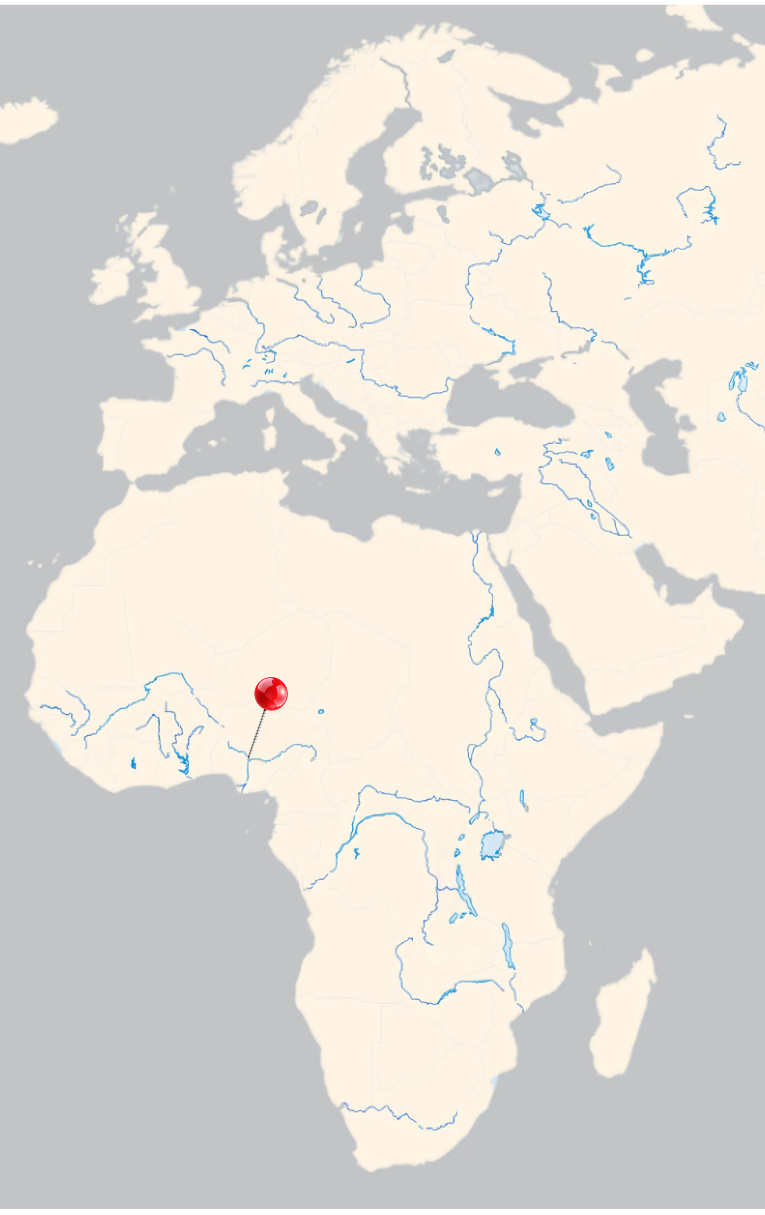
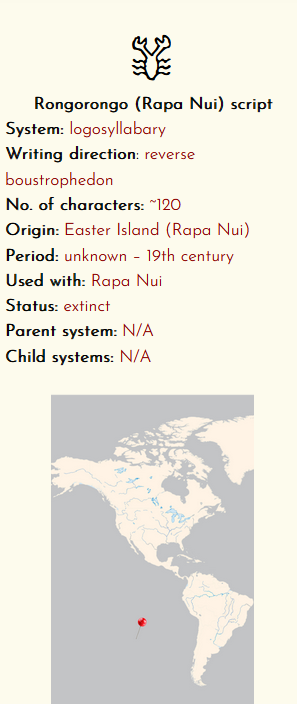
Other examples of extinct systems of proto-writing include the Iron Age Nsibidi ideographic symbols of Nigeria (continuously used since around 400 CE) for symbolic purposes and which were interestingly used as the inspiration for the Wakandan script in the film Black Panther.¹⁰ And perhaps the most geographically isolated example is the undeciphered Rongorongo glyphs, used by the Rapa Nui people of Easter Island. With 600-700 symbols, it was written boustrophedon and usually etched into wood, but some petroglyphs (engravings on rock) also exist. It is uncertain when it originally emerged or whether it was influenced by foreign writing systems, but it became extinct in the 19th century with the collapse of the island’s society and enslavement of the literate elites by Peruvian slave traders.¹¹


Watch: What Really Led to the Collapse of Easter Island? | NOVA | PBS
𐘐
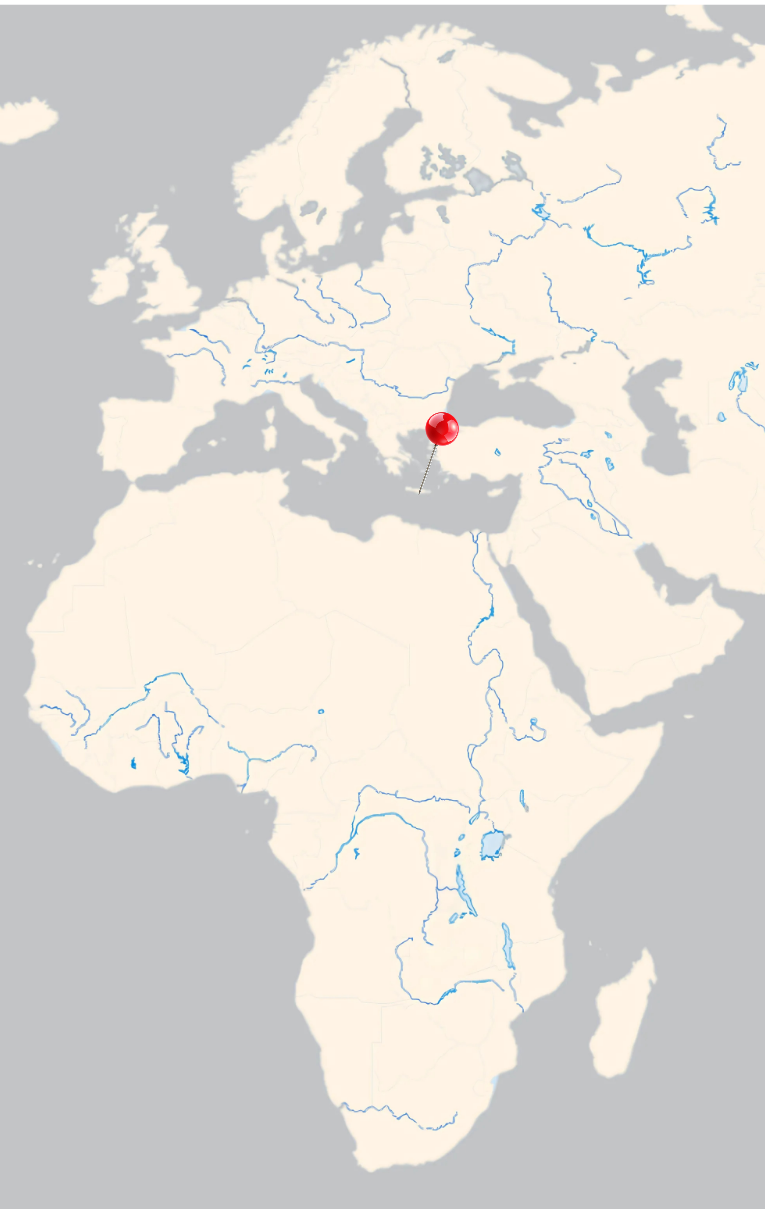
Linear A
System: logosyllabary
Writing direction: left-to-right
No. of characters: 300+
Origin: Crete
Period: c. 1800–1450 BCE
Used with: Minoan (undeciphered)
Status: extinct
Parent system: Cretan Hieroglyphs
Child systems: Linear B, Cypro-Minoan Syllabary
𐠓
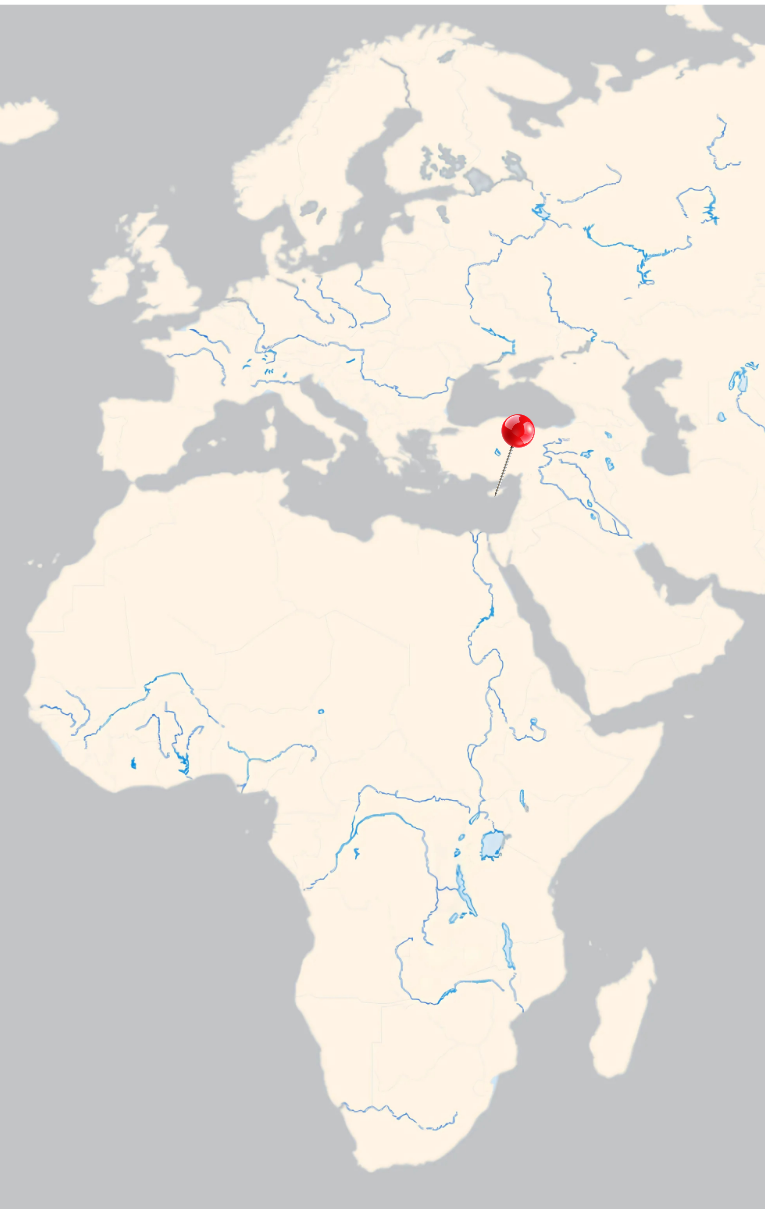
Cypriot syllabary
System: syllabary
Writing direction: left-to-right
No. of characters: 56
Origin: Cyprus
Period: c. 1050–200 BCE
Used with: Arcadocypriot Greek, Eteocypriot
Status: extinct
Parent system: Cypro-Minoan Syllabary
Child systems: N/A
𔐠
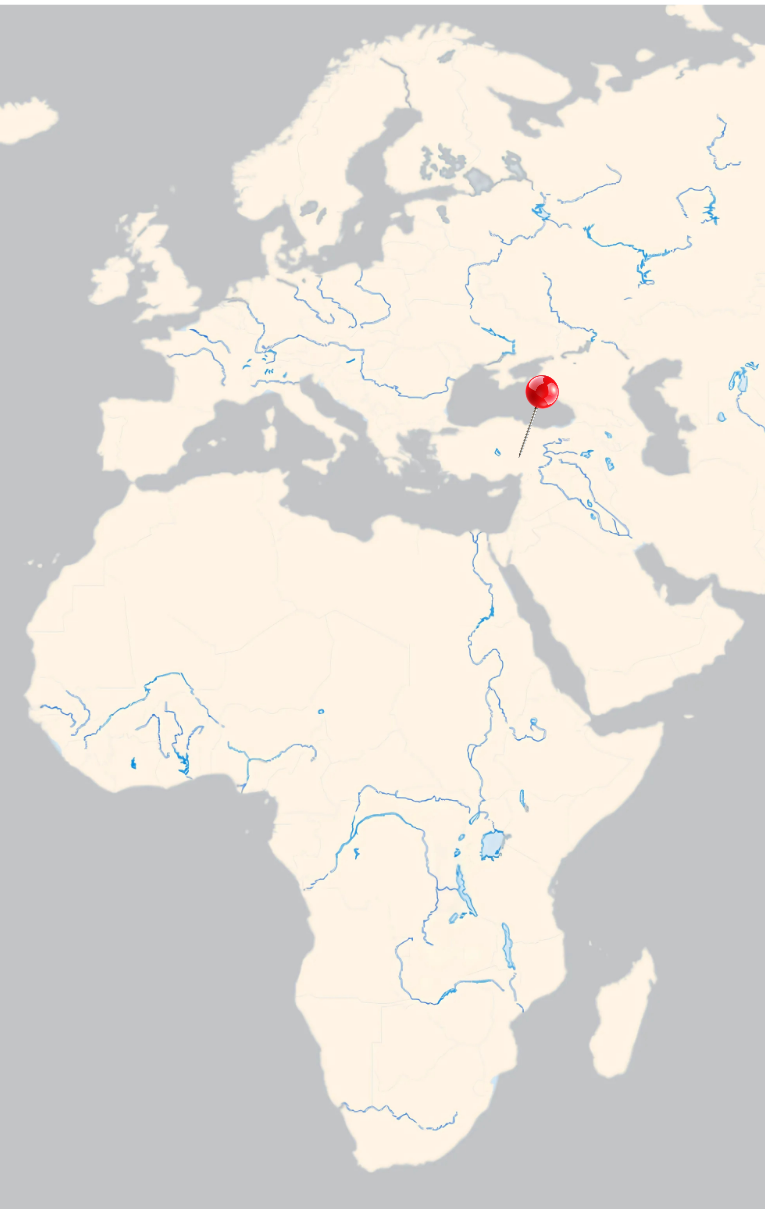
Luwian (Anatolian) hieroglyphs
System: logosyllabary
Writing direction: right-to-left, boustrophedon
No. of characters: ~500
Origin: Anatolia
Period: c. 1300–700 BCE
Used with: Luwian
Status: extinct
Parent system: Anatolian hieroglyphs
Child systems: N/A
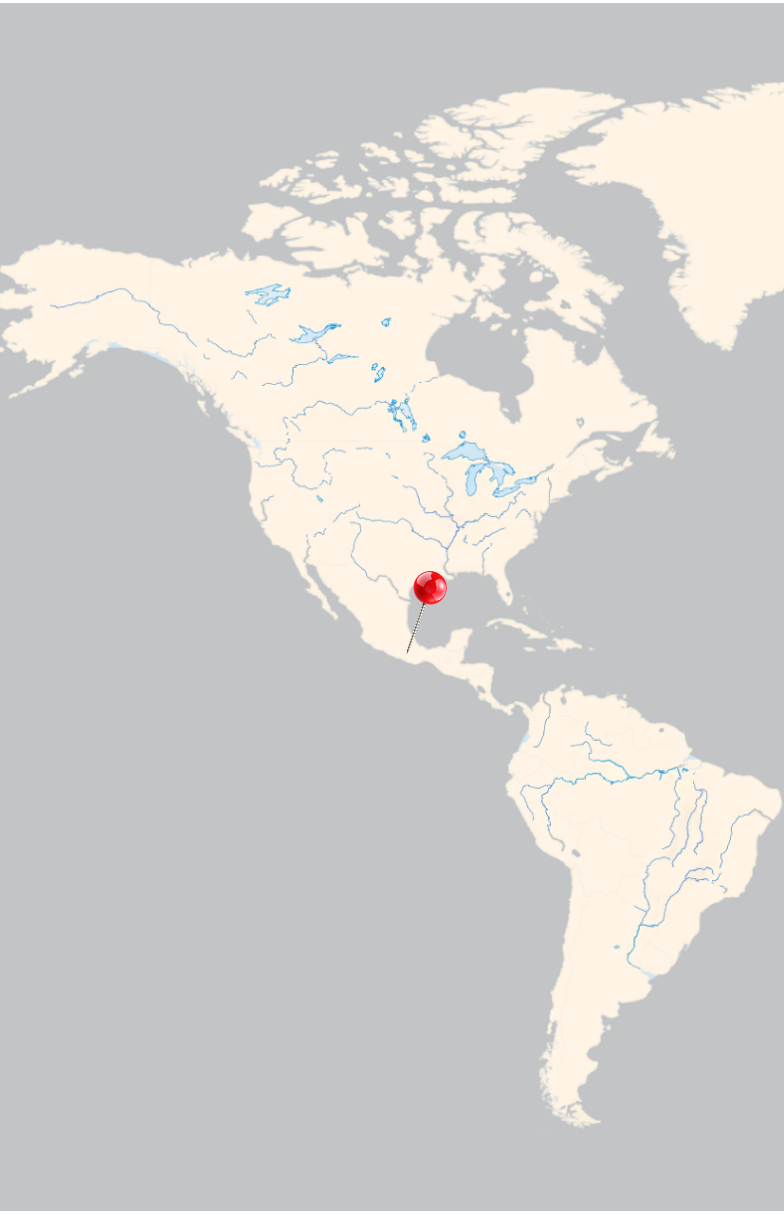
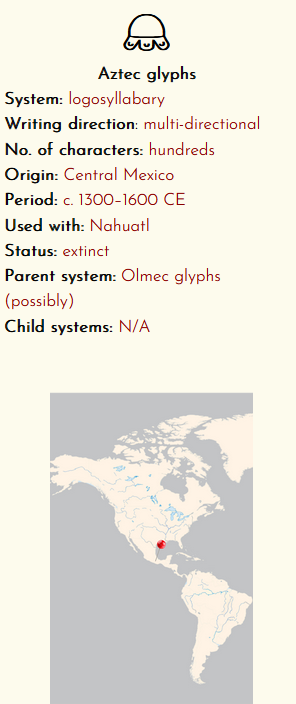
Aztec glyphs
System: logosyllabary
Writing direction: multi-directional
No. of characters: hundreds
Origin: Central Mexico
Period: c. 1300–1600 CE
Used with: Nahuatl
Status: extinct
Parent system: Olmec glyphs (possibly)
Child systems: N/A
𐀁
Linear B
System: syllabary
Writing direction: left-to-right
No. of characters: 87
Origin: Crete & mainland Greece
Period: c. 1450–1200 BCE
Used with: Mycenaean Greek
Status: extinct
Parent system: Linear A
Child systems: N/A
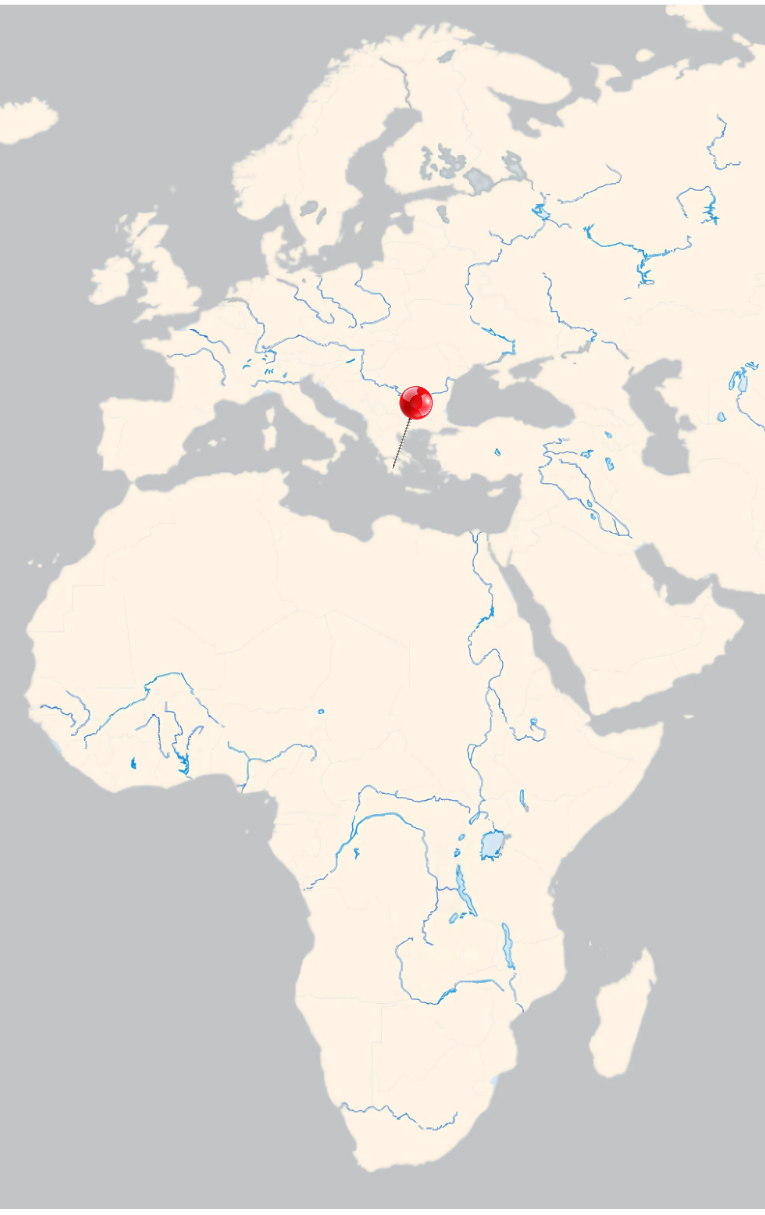
Vinča script
System: pictographic
Writing direction: multi-directional
No. of characters: ~200
Origin: Southeastern Europe
Period: c. 5500–4000 BCE
Used with: unknown
Status: extinct
Parent system: N/A
Child systems: N/A
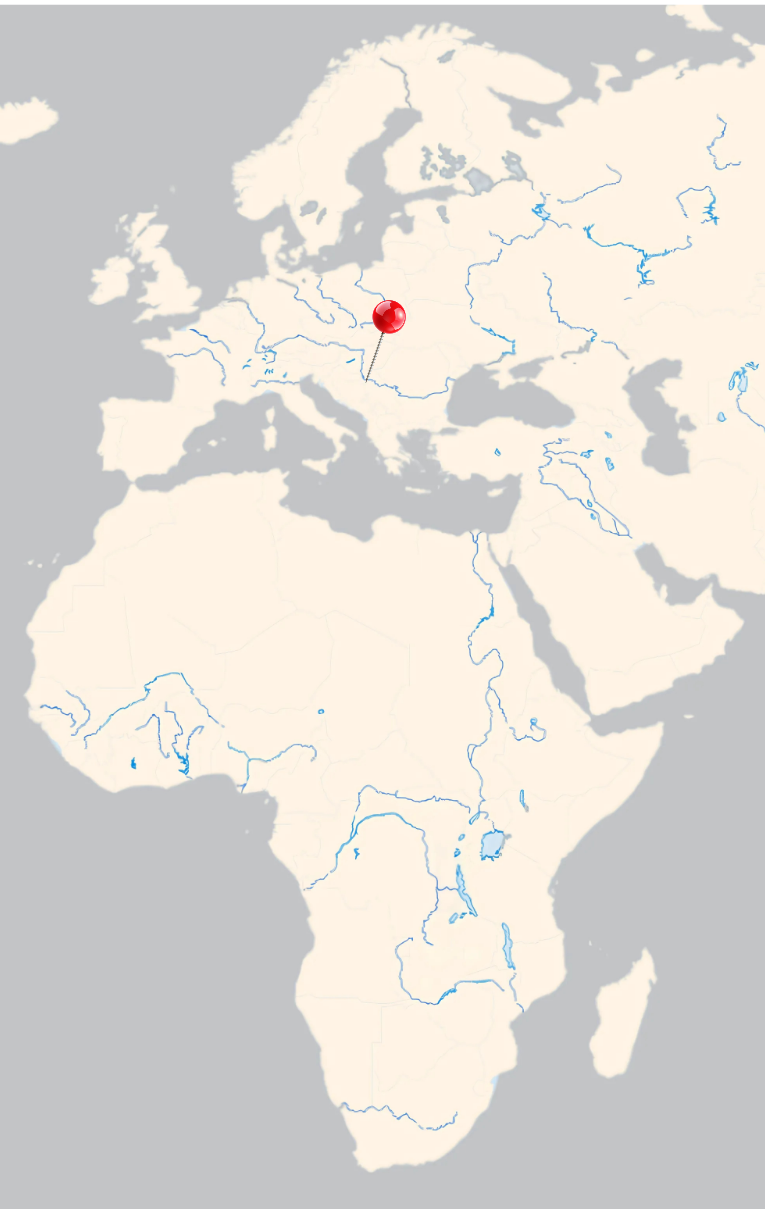
Harappan (Indus) script
System: logosyllabary (hypothetical)
Writing direction: right-to-left, boustrophedon
No. of characters: ~400
Origin: Indus Valley
Period: c. 2600–1900 BCE
Used with: Unknown
Status: extinct
Parent system: N/A
Child systems: N/A
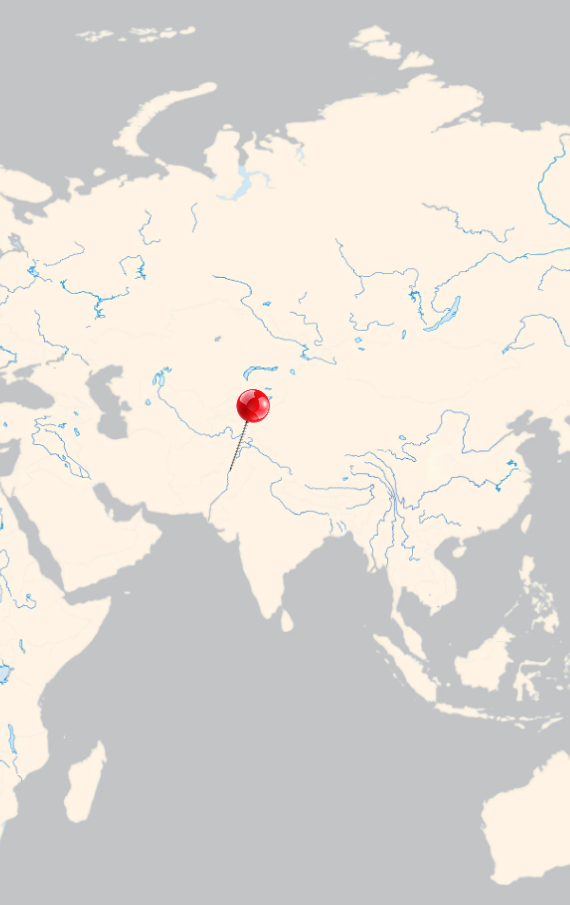
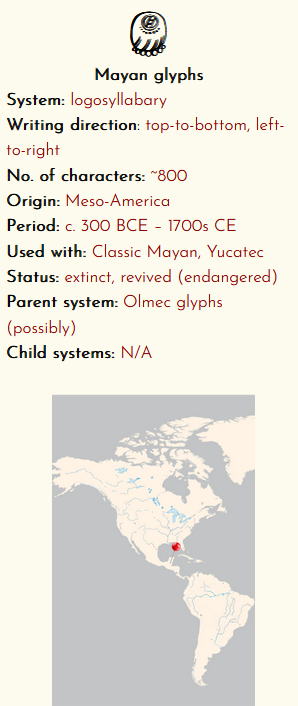
Mayan glyphs
System: logosyllabary
Writing direction: top-to-bottom, left-to-right
No. of characters: ~800
Origin: Meso-America
Period: c. 300 BCE – 1700s CE
Used with: Classic Mayan, Yucatec
Status: extinct, revived (endangered)
Parent system: Olmec glyphs (possibly)
Child systems: N/A
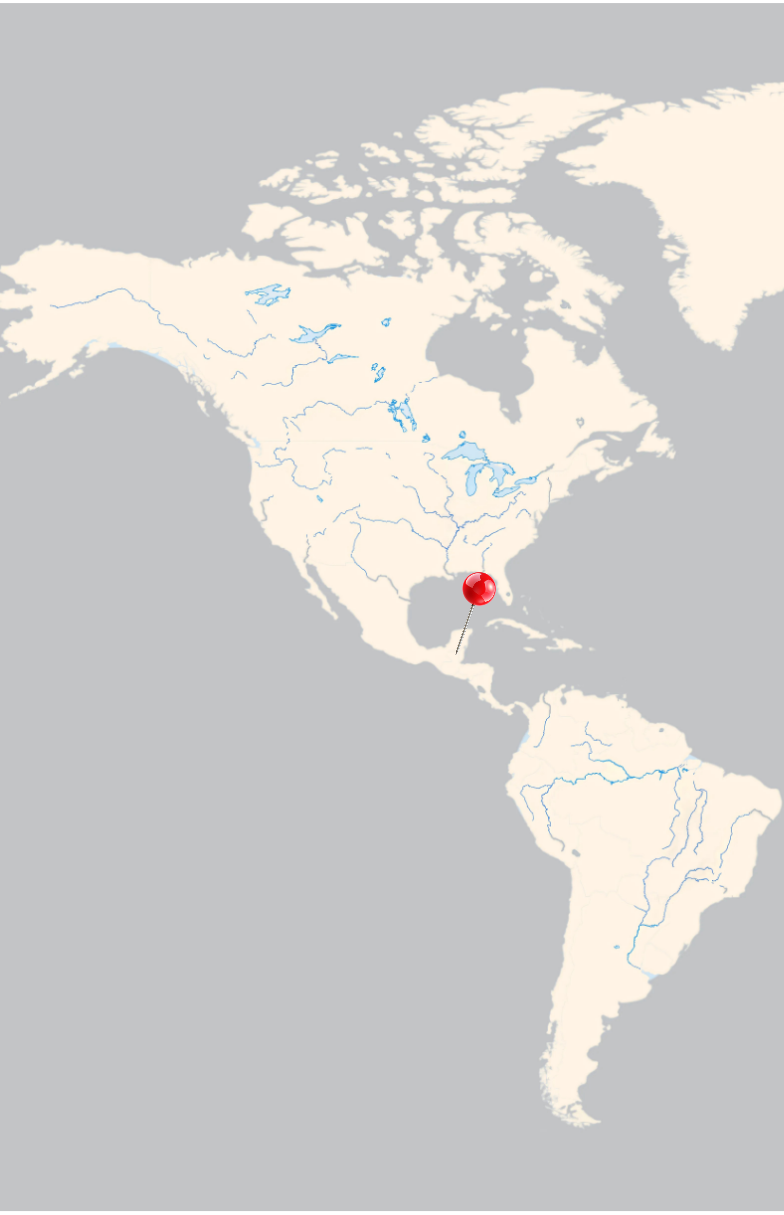
Rongorongo (Rapa Nui) script
System: logosyllabary
Writing direction: reverse boustrophedon
No. of characters: ~120
Origin: Easter Island (Rapa Nui)
Period: unknown – 19th century
Used with: Rapa Nui
Status: extinct
Parent system: N/A
Child systems: N/A
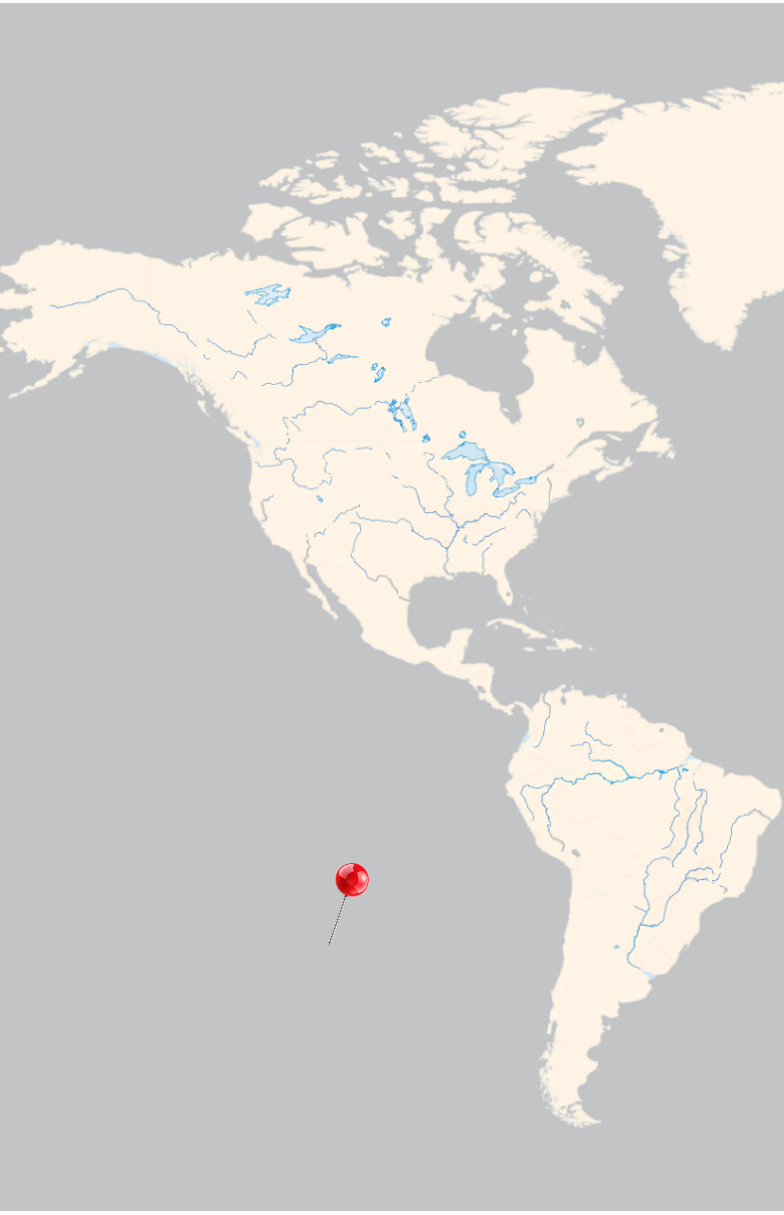
𒾣
Cypro-Minoan syllabary
System: syllabary
Writing direction: left-to-right
No. of characters: up to 96
Origin:Cyprus
Period: c. 1550–1050 BCE
Used with: unknown
Status: extinct
Parent system: Linear A
Child systems: Cypriot Syllabary
Linear Elamite
System: logosyllabary
Writing direction: left-to-right
No. of characters: ~80
Origin: Elam
Period: c. 2300–1880 BCE
Used with: Elamite
Status: extinct
Parent system: Proto-Elamite
Child systems: N/A
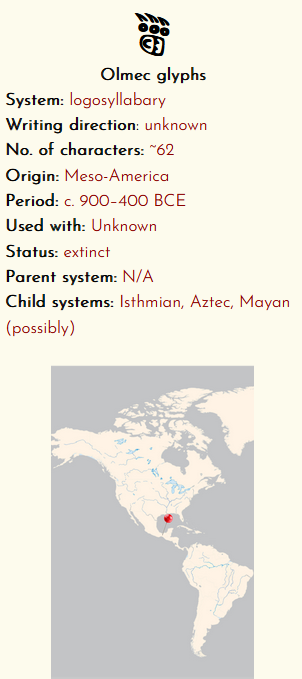
Olmec glyphs
System: logosyllabary
Writing direction: unknown
No. of characters: ~62
Origin: Meso-America
Period: c. 900–400 BCE
Used with: Unknown
Status: extinct
Parent system: N/A
Child systems: Isthmian, Aztec, Mayan (possibly)
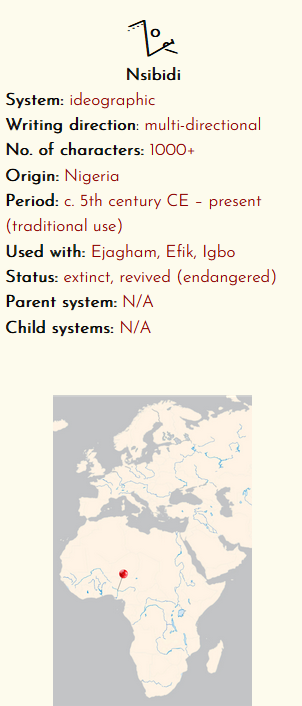
Nsibidi
System: ideographic
Writing direction: multi-directional
No. of characters: 1000+
Origin: Nigeria
Period: c. 5th century CE – present (traditional use)
Used with: Ejagham, Efik, Igbo
Status: extinct, revived (endangered)
Parent system: N/A
Child systems: N/A
Extinct Isolates

Click this symbol on the keyboard to change script
↓
Continue to Chapter 7 →
Glossary of terms
Chapter 6
Amate: a type of bark paper traditionally used in Meso-america for writing and artwork
Boustrophedon: an ancient writing style where lines of text alternate direction, going left-to-right then right-to-left, like the path of an ox plowing a field
Codice: a manuscript book, especially from Meso-america, typically made from folded bark paper or animal skin
Glyph: a visual symbol or character, such as those in hieroglyphic writing, that represents a sound, idea, or object
Petroglyph: an image or symbol carved into rock surfaces, often with cultural or communicative significance
Polyphony: the condition in which a single symbol represents multiple sounds or pronunciations
Useful Links
Africa History Extra - The Nsibidi script: https://www.africanhistoryextra.com/p/the-nsibidi-script-ca-600-1909-ce
Maya Archaeologist – Maya Writing: https://www.mayaarchaeologist.co.uk/school-resources/maya-world/maya-writing-system/
Smithsonian - Did the People of Easter Island Invent a Writing System From Scratch?: https://www.smithsonianmag.com/smart-news/research-reveals-the-natives-of-easter-island-invented-a-written-language-from-scratch-180983793/
World History Encyclopedia – Indus Script: https://www.worldhistory.org/Indus_Script/
World History Encyclopedia – Linear A: https://www.worldhistory.org/Linear_A_Script/
World History Encyclopedia – Linear B: https://www.worldhistory.org/Linear_B_Script/
Footnotes
Chapter 6
1. Emmet L. Bennet, ’Aegean Scripts’, in Peter T. Daniels and William Bright, The World’s Writing Systems, Oxford University Press, 1996, pp. 125-133
2. Peter T. Daniels and William Bright, The World’s Writing Systems, Oxford University Press, 1996, p. 21
3. Robert K. Englund, ‘The Proto-Elamite Script’ in Peter T. Daniels and William Bright, The World’s Writing Systems, Oxford University Press, 1996, p. 160
4. H. Craig Melchert, ‘Luwian Language‘, Encyclopædia Britannica, <https://www.britannica.com/topic/Luwian-language> [accessed April 2025]
5. Asko Parpola, ‘The Indus Script’ in Peter T. Daniels and William Bright, The World’s Writing Systems, Oxford University Press, 1996, p. 165
6. Gobi Stromberg, ‘The Word and Brush of the Nahua Artists’, Artes de México Magazine, viewed in Mexican Museum, <https://www.mexicanmuseum.org/amates-corteza-de-identidad> [accessed April 2025]
7. Martha J. Macri, ‘Maya & Other Mesoamerican Scripts’ in Peter T. Daniels and William Bright, The World’s Writing Systems, Oxford University Press, 1996, pp. 172-175
8. Gobi Stromberg, ‘The Word and Brush of the Nahua Artists’, Artes de México Magazine, viewed in Mexican Museum, <https://www.mexicanmuseum.org/amates-corteza-de-identidad> [accessed April 2025]
9. Martha J. Macri, ‘Maya & Other Mesoamerican Scripts’ in Peter T. Daniels and William Bright, The World’s Writing Systems, Oxford University Press, 1996, pp. 172-175
10. ‘Nsibidi’, Endangered Alphabets, <https://www.endangeredalphabets.net/alphabets/nsibidi/> [accessed April 2025]
11. Martha J. Macri, ‘Maya & Other Mesoamerican Scripts’ in Peter T. Daniels and William Bright, The World’s Writing Systems, Oxford University Press, 1996, pp. 183-185
Fig. 6.1: Cretan seal, (background removed), Wikimedia Commons, <https://commons.wikimedia.org/wiki/File:Pini-plombe-orig-II2_316d_3.2.jpg> [public domain, accessed April 2025]
Fig. 6.2: Linear A tablet, (image cropped, background removed), illustration by @TimeTravelRome, Wikimedia Commons, <https://commons.wikimedia.org/wiki/File:Linear_A_script_Tablets_from_the_Kastelli_Hill_at_Chania_-_1450_BC.jpg> [CC BY 2.0, accessed May 2025]
Fig. 6.3: Idalion tablet, (background removed, colour enhanced), illustration by Olivier Masson (1961), Wikimedia Commons, <https://commons.wikimedia.org/wiki/File:Idalion_tablet.jpg> [public domain, accessed April 2025]
Fig. 6.4: Phaistos Disc, (background removed), Wikimedia Commons, <https://commons.wikimedia.org/wiki/File:PhaistosDiskLarge.jpg> [CC BY-SA 3.0, accessed April 2025]
Fig. 6.5: Pylos tablet, (image cropped, background removed), illustration by Sharon Mollerus, Wikimedia Commons, <https://commons.wikimedia.org/wiki/File:NAMA_Linear_B_tablet_of_Pylos.jpg> [CC BY 2.0, accessed April 2025]
Fig. 6.6: Linear A Syllabary, (background removed), ‘Linear A’, Omniglot, <https://www.omniglot.com/writing/lineara.htm> [© with permission, accessed April 2025]
Fig. 6.7: Linear B Syllabary, (background removed), ‘Linear B’, Omniglot, <https://www.omniglot.com/writing/linearb.htm> [© with permission, accessed April 2025]
Fig. 6.8: Vinča symbols, (background removed), ‘Vinča script’, Omniglot, <https://www.omniglot.com/writing/vinca.htm> [© with permission, accessed May 2025]
Fig. 6.9: Linear Elamite, (background removed, colour enhanced), illustration by Jean-Vincent Scheil (1905), Wikimedia Commons, <https://commons.wikimedia.org/wiki/File:Bilingual_Linear_Elamite_Akkadian_inscription_of_king_Kutik-Inshushinak_Table_of_the_Lion_Louvre_Museum_Sb_17.jpg> [public domain, accessed April 2025]
Fig. 6.10: Luwian hieroglyphs, (background removed, colour enhanced), illustration by Osama Shukir Muhammed Amin, Wikimedia Commons, <https://commons.wikimedia.org/wiki/File:Slab_with_Hittite_hieroglyphic_inscriptions_mentioning_the_activities_of_king_Urhilina_and_his_son._9th_century_BC._From_Hama._Museum_of_the_Ancient_Orient,_Istanbul.jpg> [CC BY-SA 4.0, accessed April 2025]
Fig. 6.11: Harappan impressions, (image re-arranged, background removed), illustration by @ALFGRN, Wikimedia Commons, <https://commons.wikimedia.org/wiki/File:Indus_script.jpg> [CC BY-SA 2.0, accessed May 2025]
Fig. 6.12: Harappan symbols, ‘Indus/Harappa script’, Omniglot, <https://www.omniglot.com/writing/indus.htm> [© with permission, accessed May 2025]
Fig. 6.13: @Kwamikagami, Maya script reading direction, Wikimedia Commons, <https://commons.wikimedia.org/wiki/File:Maya_script_reading_direction.png> [public domain, accessed April 2025]
Fig. 6.14: @Kwamikagami, Maya glyphs, Wikimedia Commons, <https://commons.wikimedia.org/wiki/File:Palenque_glyphs-edit1.jpg> [public domain, accessed April 2025]
Fig. 6.15: Mayan glyph formation, ‘The Maya Writing System’, Maya Archaeologist, <https://www.mayaarchaeologist.co.uk/public-resources/maya-world/maya-writing-system/> [©, with permission, accessed April 2025]
Fig. 6.16: Maya glyph formation with affixes, ‘The Maya Writing System’, Maya Archaeologist, <https://www.mayaarchaeologist.co.uk/public-resources/maya-world/maya-writing-system/> [©, with permission, accessed April 2025]
Fig. 6.17: Mayan syllabary, (image edited), ‘The Maya Writing System’, Maya Archaeologist, <https://www.mayaarchaeologist.co.uk/public-resources/maya-world/maya-writing-system/> [©, with permission, accessed April 2025]
Fig. 6.18: some Mayan logograms, ‘The Maya Writing System’, Maya Archaeologist, <https://www.mayaarchaeologist.co.uk/public-resources/maya-world/maya-writing-system/> [©, with permission, accessed April 2025]
Fig. 6.19: Everson, Michael, ‘Cascajal Text’ (2005), Wikimedia Commons, <https://commons.wikimedia.org/wiki/File:Cascajal-text.jpg> [CC BY 3.0, accessed May 2025]
Fig. 6.20: reproduced Aztec glyphs, Wikimedia Commons, <https://commons.wikimedia.org/wiki/File:Aztecwriting.jpg> [public domain, accessed April 2025]
Fig. 6.21: Dresden Codex in Alexander von Humboldt, (background removed), (1810), viewed in Wikimedia Commons, <https://commons.wikimedia.org/wiki/File:Humboldt_1810_pp_47_48_50_51_52.jpg> [public domain, accessed May 2025]
Fig. 6.22: various Nsibidi symbols, Wikimedia Commons, <https://commons.wikimedia.org/wiki/File:Nsibidi.jpg> [public domain, accessed April 2025]
Fig. 6.23: Rongorongo engravings, Wikimedia Commons, <https://commons.wikimedia.org/wiki/File:Rongo-rongo_script.jpg> [public domain, accessed May 2025]
Share this page
To the
Top
To the
Bottom